附件下载,需登录可以查看贴内更多信息
您需要 登录 才可以下载或查看,没有账号?立即注册
x
Title: Discover the Advancements in Siemens PLC: A Comprehensive English Literature Review
Introduction:
Siemens PLC (Programmable Logic Controller) is an essential component in modern electrical engineering and automation systems. As technology continues to advance, Siemens has consistently been at the forefront of innovation in this field. This literature review aims to provide a comprehensive analysis of the advancements made by Siemens in the realm of PLCs and their impact on the field of electrical engineering and automation.
1. Evolution of Siemens PLCs:
Siemens has a long history of developing PLCs, with each generation bringing significant advancements in functionality, performance, and connectivity. Starting from the early SIMATIC S5 series to the latest SIMATIC S7 series, Siemens has continually evolved its PLC offerings to meet the growing demands of various industries. This section will delve into the evolution of Siemens PLCs, highlighting key features, improvements, and the impact on industrial automation systems.
2. Enhanced Performance and Functionality:
Siemens PLCs have witnessed significant improvements in terms of processing power, memory capacity, and communication capabilities. This section explores how Siemens has incorporated advanced technologies such as multi-core processors, increased memory, and faster bus systems to enhance the performance and functionality of their PLCs. Furthermore, we will discuss the impact of these advancements on real-time control, data processing, and system integration.
3. Integration of IoT and Industry 4.0:
The advent of the Internet of Things (IoT) and Industry 4.0 has revolutionized the automation industry. Siemens has embraced these trends and integrated IoT capabilities into their PLCs, enabling seamless connectivity between various devices and systems. In this section, we will examine Siemens' efforts in integrating IoT technologies, such as cloud connectivity, edge computing, and data analytics, into their PLCs. We will also discuss the implications of these advancements for industrial processes and the concept of smart factories.
4. Programming and Development Tools:
Siemens offers a comprehensive suite of programming and development tools for their PLCs, ensuring efficient and intuitive development processes. This section will explore the advancements made in programming languages, such as the transition from ladder logic to Structured Control Language (SCL) and the introduction of high-level languages like C/C++. Additionally, we will discuss the availability of simulation software, debugging tools, and graphical user interfaces that facilitate PLC programming and troubleshooting.
5. Safety and Security Measures:
As industrial systems become more interconnected, ensuring the safety and security of PLCs is of utmost importance. Siemens has developed robust security features to protect against cyber threats and unauthorized access. This section will delve into Siemens' safety and security measures, including encrypted communication protocols, secure remote access, and integrated safety functions compliant with international standards. We will also discuss how these measures contribute to maintaining the integrity and reliability of industrial automation systems.
Conclusion:
Siemens PLCs have continuously pushed the boundaries of innovation in the field of electrical engineering and automation. Through advancements in performance, connectivity, integration with IoT, programming tools, and security measures, Siemens has solidified its position as a leader in the PLC industry. As technology continues to evolve, Siemens remains committed to providing cutting-edge solutions that empower industries to achieve greater efficiency, productivity, and safety in their automation processes.
________________________________________________________________________
免责声明:本文非官方发布,内容真实性请注意甄别,文章内容仅供参考。本站不对内容真实性负责,请悉知!本站不对内容真实性负责,请悉知!。我们专注于汇川技术产品培训,官网https://shicaopai.com |
 共31章节675课时
 共30章节677课时
 共4章节48课时
 共6章节90课时
 共0章节18课时
 共8章节213课时
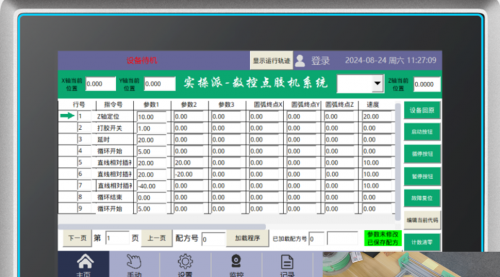 共7章节98课时
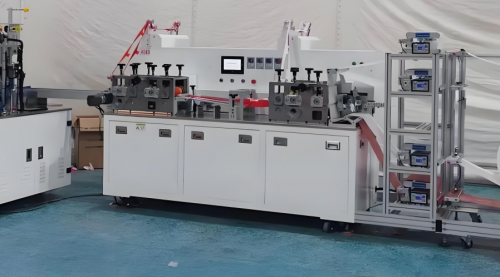 共8章节144课时
 共9章节44课时
 共6章节52课时