附件下载,需登录可以查看贴内更多信息
您需要 登录 才可以下载或查看,没有账号?立即注册
x
PLC and SPD: Optimizing Industrial Processes for Enhanced Performance and Safety
Introduction:
In the field of electrical engineering and automation, Programmable Logic Controllers (PLCs) play a crucial role in controlling and monitoring industrial processes. PLCs provide a reliable and efficient means of automation, ensuring enhanced performance and safety in various industries. In conjunction with Surge Protection Devices (SPDs), which protect sensitive electrical equipment from voltage surges, PLCs can further optimize industrial processes. This article aims to explore the integration of PLCs and SPDs, their benefits, and their role in enhancing performance and safety in industrial applications.
Section 1: Overview of PLCs:
In this section, we will delve into the fundamental concepts of PLCs. We will discuss their architecture, programming languages, and input/output modules. Furthermore, we will explain how PLCs are used to control and monitor complex industrial processes, such as manufacturing lines, power distribution systems, and wastewater treatment plants. By providing real-time data acquisition, processing, and decision-making capabilities, PLCs streamline operations and improve overall efficiency.
Section 2: Introduction to Surge Protection Devices (SPDs):
Surge Protection Devices (SPDs) are essential components in electrical systems, protecting against transient voltage surges caused by lightning strikes, power grid fluctuations, or switching operations. In this section, we will explore the purpose and functionality of SPDs, including their classification into Type 1, Type 2, and Type 3 devices. Additionally, we will explain different types of surge suppression technologies employed in SPDs and the importance of proper installation and maintenance to ensure optimal protection for sensitive equipment.
Section 3: Integration of PLCs and SPDs:
Now that we have a thorough understanding of both PLCs and SPDs, this section will focus on their integration. We will discuss the advantages of integrating SPDs with PLCs, including increased equipment lifespan, prevention of equipment damage, and reduction in downtime. We will explore different connection methods, such as employing SPDs at the input and output levels of PLCs, ensuring comprehensive protection throughout the system. Furthermore, we will highlight the importance of selecting SPDs with suitable voltage ratings and response times to effectively safeguard the PLCs and connected equipment.
Section 4: Case Studies:
In this section, we will examine real-world case studies where the integration of PLCs and SPDs has significantly improved industrial processes. We will discuss examples from various industries, such as manufacturing, oil and gas, and telecommunications, showcasing the positive impact of this integration on performance and safety. The case studies will highlight specific challenges faced by each industry and how the implementation of PLCs and SPDs provided effective solutions.
Section 5: Best Practices and Considerations:
To ensure successful implementation, it is crucial to follow best practices and consider certain factors when integrating PLCs and SPDs. This section will cover topics such as proper grounding techniques, compliance with international standards, routine inspections and maintenance, and the importance of training personnel on the functionality and maintenance of PLCs and SPDs. By following these guidelines, industrial facilities can maximize the benefits of this integration while minimizing risks.
Conclusion:
PLCs and SPDs are indispensable components in modern industrial automation systems. By leveraging the capabilities of PLCs for process control and incorporating SPDs for surge protection, industries can enhance their performance and ensure the safety of critical equipment. The integration of PLCs and SPDs optimizes industrial processes, reduces downtime, and protects against costly equipment damage. As technology continues to advance, it is crucial for electrical engineers and automation professionals to stay updated on the latest developments in PLC and SPD integration to harness their full potential.
________________________________________________________________________
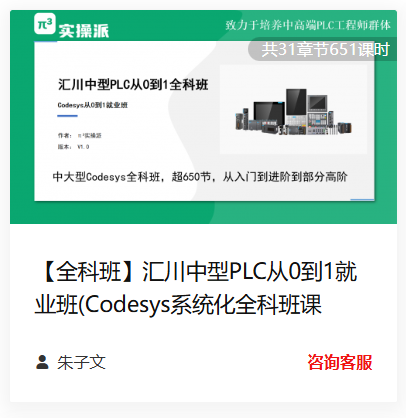
免责声明:本文非官方发布,内容真实性请注意甄别,文章内容仅供参考。本站不对内容真实性负责,请悉知!本站不对内容真实性负责,请悉知!。我们专注于汇川技术产品培训,官网https://shicaopai.com |
 共31章节675课时
 共30章节677课时
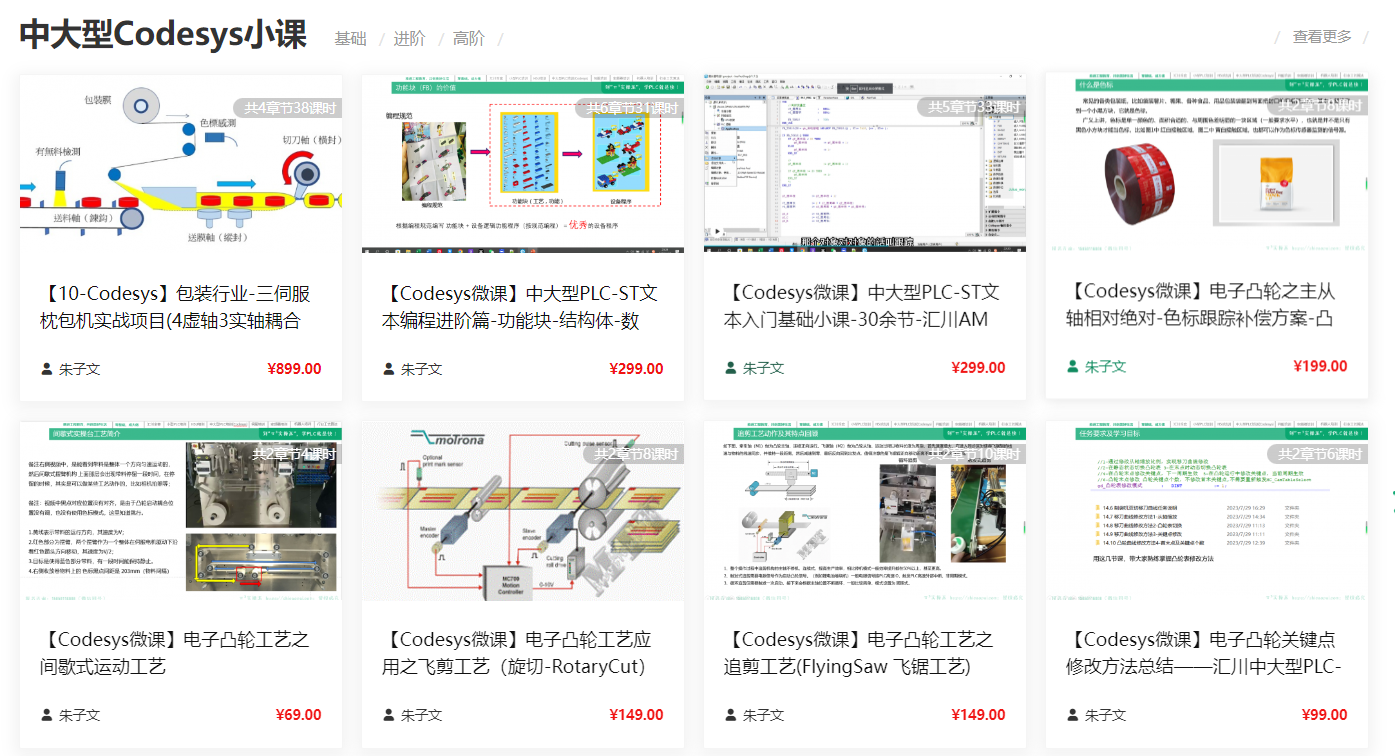
 共4章节48课时
 共6章节90课时
 共0章节18课时
 共8章节213课时
 共7章节98课时
 共8章节144课时
 共9章节44课时
 共6章节52课时