附件下载,需登录可以查看贴内更多信息
您需要 登录 才可以下载或查看,没有账号?立即注册
x
PLC EV: Revolutionizing Automation in the Electric Vehicle Industry
Introduction:
The electric vehicle (EV) industry is undergoing a significant transformation with the integration of Programmable Logic Controllers (PLCs). PLCs have revolutionized automation in various sectors, and their application in the EV industry is no exception. In this article, we will explore how PLCs are transforming the electric vehicle manufacturing process, enhancing efficiency, reliability, and safety.
1. The Role of PLCs in Electric Vehicle Production:
PLCs play a crucial role in the production of electric vehicles by automating and controlling numerous processes. They facilitate seamless coordination between different stages, including battery assembly, motor integration, wiring harnessing, and final testing. PLCs ensure precise control over each step, minimizing errors and optimizing production output.
2. Advanced Control and Monitoring Systems:
PLCs offer advanced control and monitoring systems that enhance the efficiency and reliability of electric vehicle production. With real-time data acquisition capabilities, PLCs can monitor critical parameters such as voltage, current, temperature, and pressure at various production stages. This information enables proactive maintenance, early fault detection, and optimization of production processes, resulting in improved overall performance.
3. Integration of Safety Systems:
Safety is paramount in the electric vehicle industry, and PLCs play a vital role in ensuring a safe working environment. PLCs can integrate safety systems such as emergency stop circuits, light curtains, and interlocks to prevent accidents during the manufacturing process. Moreover, PLCs enable the implementation of failsafe mechanisms to safeguard both workers and equipment from potential hazards.
4. Seamless Communication and Networking:
PLCs enable seamless communication and networking between different components of electric vehicle production systems. By integrating with Human Machine Interfaces (HMIs), Supervisory Control and Data Acquisition (SCADA) systems, and Manufacturing Execution Systems (MES), PLCs provide real-time data exchange, remote monitoring, and centralized control. This integration streamlines operations, reduces downtime, and enhances overall productivity.
5. Flexibility and Adaptability:
The electric vehicle industry is characterized by rapid technological advancements. PLCs offer the flexibility and adaptability required to keep pace with these changes. With their programmable nature, PLCs can be easily reconfigured or upgraded to accommodate evolving production requirements, modifications in assembly processes, or integration of new components. This flexibility ensures that the manufacturing process remains efficient and up-to-date.
6. Energy Management and Optimization:
PLCs contribute to energy management and optimization in the electric vehicle industry. By monitoring power consumption and optimizing energy usage, PLCs help reduce operational costs and minimize the environmental impact of production processes. Furthermore, PLCs can enable the integration of renewable energy sources, such as solar or wind, into the manufacturing infrastructure, making electric vehicle production more sustainable.
Conclusion:
The integration of PLCs in the electric vehicle industry has brought about a revolution in automation. From streamlining production processes to enhancing safety, PLCs have become indispensable in the manufacturing of electric vehicles. Their advanced control and monitoring capabilities, seamless communication and networking, flexibility, and energy optimization features make PLCs an essential component in the pursuit of efficient and sustainable electric vehicle production. As the EV industry continues to grow, the role of PLCs will only become more critical in shaping its future.
________________________________________________________________________
免责声明:本文非官方发布,内容真实性请注意甄别,文章内容仅供参考。本站不对内容真实性负责,请悉知!本站不对内容真实性负责,请悉知!。我们专注于汇川技术产品培训,官网https://shicaopai.com |
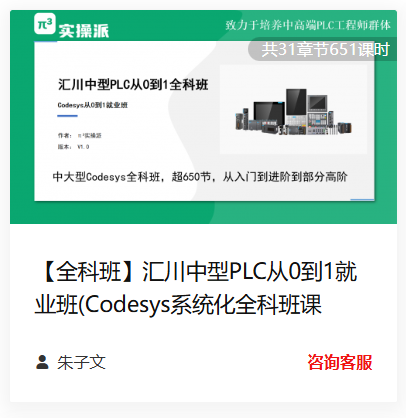
 共31章节675课时
 共30章节677课时
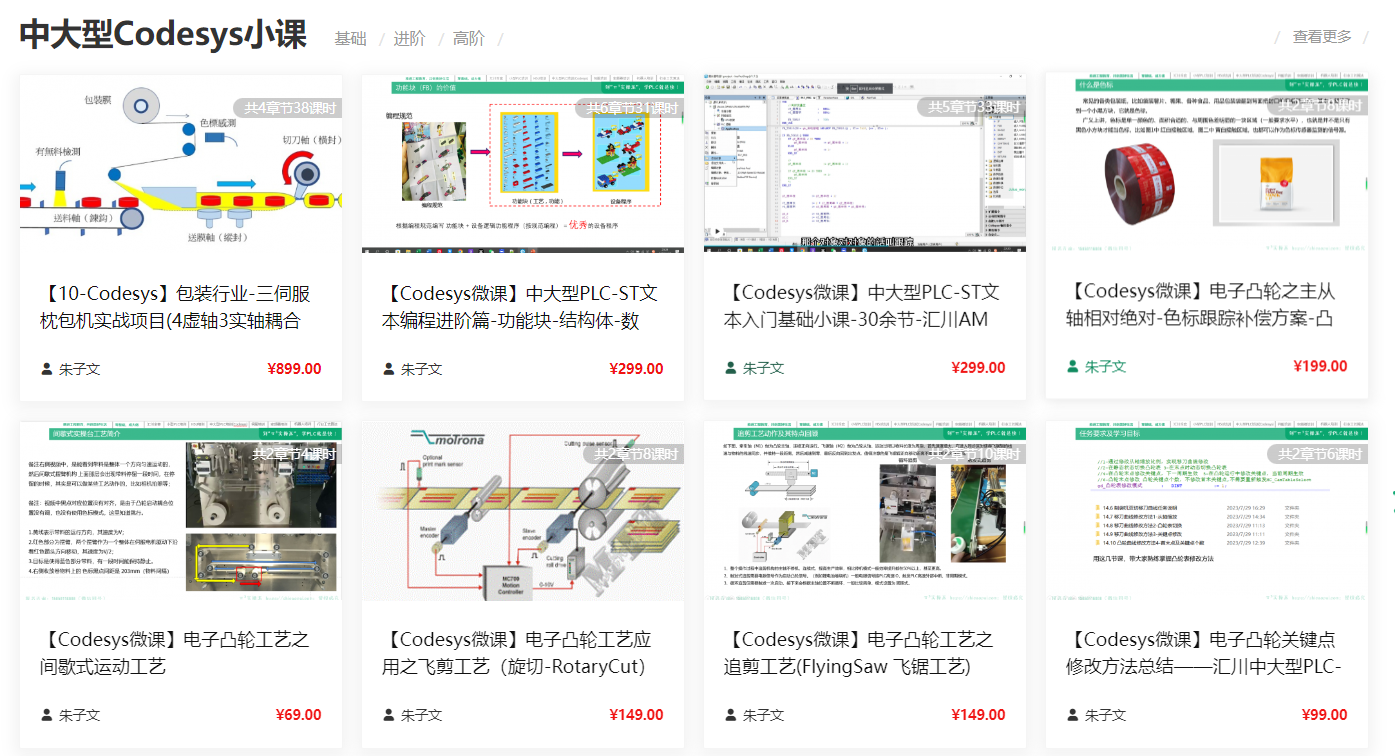
 共4章节48课时
 共6章节90课时
 共8章节213课时
 共0章节18课时
 共7章节98课时
 共8章节144课时
 共9章节44课时
 共6章节52课时